
Boating and fishing are arguably two of the best ways to wind down, but it’s important to keep safety on the water front of mind. Whether you’re out for a solo adventure or enjoying time with friends, following essential safety precautions ensures your trip is both enjoyable and secure.
In this article, Caitlin shares her key safety tips, including the importance of lifejackets/personal flotation devices (PFDs), communication devices, understanding weather conditions, and specific advice for solo fishing trips.
Wear a Personal Flotation Device (PFD)
One of the most fundamental rules of boating/kayaking safety is to wear a lifejacket or PFD. Even if you’re an experienced swimmer, unexpected situations like rough waters or slips can occur, and a PFD can save your life. In Australia, it’s required by law to wear PFDs on certain types of watercraft and in particular conditions, but I recommend wearing one every time you’re out on the water.
There are many types of PFDs, from inflatables to foam-based designs, so find one that’s comfortable for you. Choose a PFD that fits properly- too loose, and it may slip off; too tight, and it could restrict your movement. Check for Australian Standards compliance to ensure it’s appropriate for your activity. In my years of testing, I’ve found the Hobie Manual Inflatable 150 Vest to be the most comfortable- to the point where I forget it’s even on.
Stay Connected
Reliable communication is critical, especially when you’re fishing or boating in remote areas. Mobile phones are a great start, but they aren’t reliable in isolated locations, and battery life can be an issue. A marine radio, satellite phone, or a personal locator beacon (PLB) can be invaluable in an emergency, allowing you to call for help if needed.
If you’re boating or fishing in areas with poor signal, or frequently going out on your own, consider investing in a PLB. These devices can transmit your location to emergency services and are essential when you’re in remote areas or far from the shore. I clip my Garmin Inreach Mini directly to my lifejacket when kayaking, so it’s always on hand in the event of an emergency.
Even if you’re only out for a few hours, always tell someone where you’re going and your expected return time. I routinely drop a pin at my launch point and have my location shared at all times with my emergency contacts. Unfortunately, this means my contacts know my ‘secret’ fishing spots, but it’s better to be safe than sorry!
Check and Understand Weather Conditions
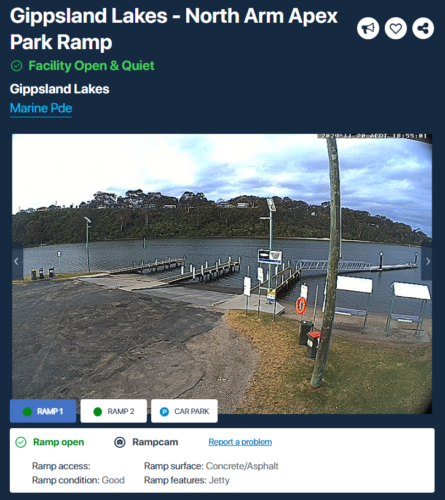
Weather can change rapidly on the water, and staying aware of conditions is key to staying safe. Before heading out, check the weather forecast for the day using reliable apps or marine weather services. Pay close attention to wind speeds and directions, tides, and any warnings for the wider area. Some ramps will even have live camera feeds on Boating Vic, giving you real time information on your chosen waterway.
Windy conditions make it harder to control your boat or kayak, while high tides, big swells or strong currents can create dangerous situations. Even if the forecast looks fine, keep a close eye on the time if you’re expecting a change to come through. The ‘one last cast’ curse has seen many a return trip in dangerous conditions, and it seems to always happen when you’ve got a long run back to the ramp.
Solo Fishing Tips: Staying Safe on Your Own
Fishing solo can be an empowering and fulfilling experience, but it comes with added risks. Here are a few tips to stay safe when you’re on your own:
- Plan your trip: Let someone know your exact location and your expected return time. Stick to your time limits and if your plans change, let your emergency contact know straight away.
- Carry safety gear: In addition to PFDs and communication devices, keep a first aid kit, knife, and whistle in your boat or kayak. These small items can be lifesavers in an emergency.
- Know your limits: It’s tempting to push yourself when you’re alone, but always be mindful of your energy and skill level. Stick to areas you’re familiar with, and if you’re exploring new ground, head out with plenty of daylight.
Additional Safety Tips
- Stay hydrated: Bring plenty of water, especially on hot days. It’s easy to get dehydrated while out on the water, so pack enough for the entire trip.
- Dress appropriately: Wear weather-appropriate clothing and layer up if needed. UV protection is essential, and don’t forget sunscreen, sunglasses, and a wide-brimmed hat.
- Stay visible: When fishing in high-traffic areas or poor conditions, make sure you’re visible to other boaters by using your navigation lights, a safety flag if you’re in a kayak and by dressing in bright colours.
By following these safety precautions, you’ll not only protect yourself but also enjoy your time on the water more confidently. Whether you’re fishing in the river, estuary, lake, or open sea, preparation is the key to making every trip a safe one.
For more boating safety tips, check out Better Boating Victoria and Safe Transport Vic.
Check out the free Deckee app. It’s packed with tools, alerts and information required for a successful day on the water.