
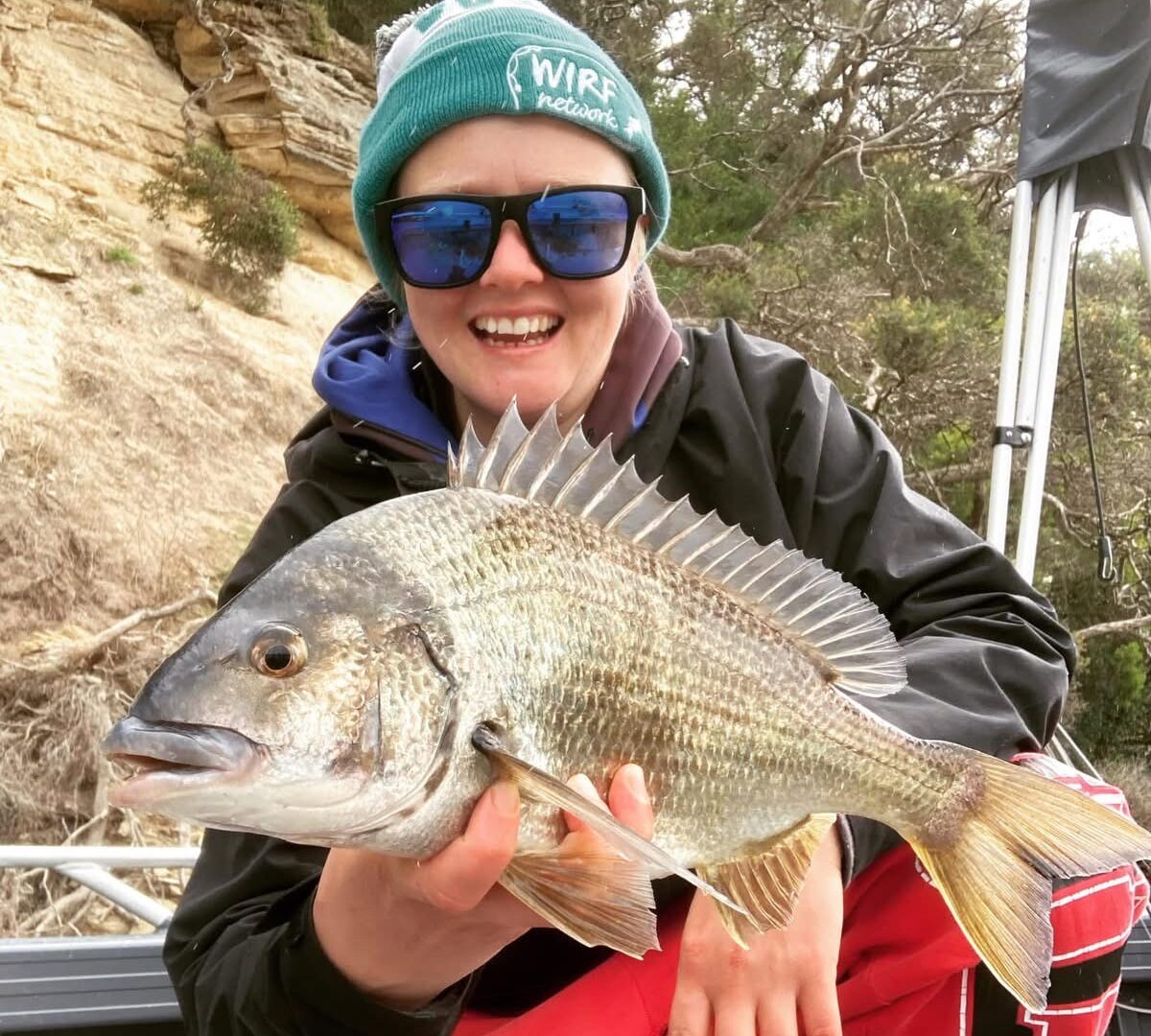
The Black Bream (Acanthopagrus butcheri) is an angling staple from Western Australia to New South Wales, including Tasmania. For generations, aspiring fishos have cut their teeth in the estuaries chasing these fickle fish, perfecting the basics of bait collecting, rigging, and technique. Whether you’re fishing land-based, in a kayak, or from a boat, you don’t need all the bells and whistles to find good bream—just a smart, thoughtful approach.
In the early 2000s, the soft plastics boom saw a wave of lure-focused anglers and tournaments dedicated to this Aussie favourite. While that scene continues to thrive, many traditional bait-fishing skills are slowly being forgotten. Don’t underestimate them—bait fishing can be every bit as technical and effective as lure fishing, especially on big, wise old bream.
Fresh Bait
Fresh, local bait is crucial when targeting bream. So where do you start looking?
Riverbanks, weed beds, and estuary flats all offer clues about what bream are feeding on. Muddy banks lined with holes indicate crabs, which draw bream right into the shallows. Rock-lined banks are perfect for a bit of “rock tipping”—a quick flip of a rock can reveal crabs scuttling in every direction. (Always put the rocks back for the sake of the ecosystem.)
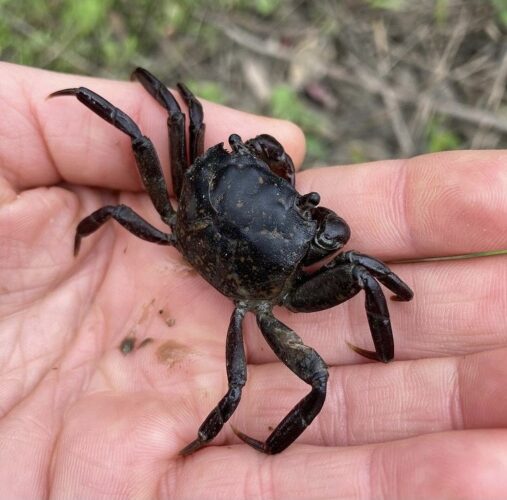
Further down the estuary, weed patches hold shrimp, gudgeon, and spider crabs—prime bait for bream. A simple bait trap can gather a great mix. Sand flats, particularly at night, can also be incredibly productive.
A bait pump is one of the best investments you can make. From clams to clickers, it uncovers plenty—but the true prize is the “pod worm,” arguably the ultimate bream bait. Found in some (but not all) estuaries, poddies are delicate, must be used the same day, and are best collected at low tide using a fine mesh sieve. Keep them cool, shaded, and as clean as possible.

While local bait is ideal, freshwater yabbies are dynamite just about anywhere—and they occasionally tempt a cheeky mulloway too (shhhh). If you can’t access fresh bait, frozen will work, but be ready to deal with small peckers and bait thieves. Softer frozen baits like pilchard, whitebait, and prawns work best in winter when fewer small fish are active.
Bait Presentation
Plenty of anglers master collecting good bait, only to fall short with poor presentation. As humans, we eat with our eyes—and on fussy days, bream are no different.
Crabs are one of the trickiest but most rewarding baits. Many anglers rig them in different ways, but one common mistake is leaving the hook shank exposed. Threading a crab leg onto the shank hides the metal, and cracking the shell at the head releases scent and increases your chances. The same applies to yabbies—crack the shell to release that natural attractant.
On soft baits, finesse is key. Prawns are usually threaded onto the hook with the point sitting in the head, but when bites are tough, peeling the tail or removing the head can tempt shy fish. Pod worms are easy to rig—anything from a size 6 to a 3/0 hook works, with the worm draped like a “J” along the shank.
Tackle
My go-to hook for most systems is a 3/0 suicide hook. The thicker gauge helps penetrate bream’s bony jaws and suits larger baits like crabs. For smaller baits such as pod worms, size 6–4 bait-holder hooks work well, though fish are more prone to swallowing them, which isn’t ideal if you plan to release.
Hook colour matters more than many realise. Dark or black hooks blend in best; avoid bright red or shiny silver, which look unnatural and reflect light.
Many anglers overcomplicate rigs. For bream, a simple pea-sized running sinker straight to the hook is enough. One knot gives you direct feel—helpful in snaggy structure. Mono line (around 12lb) is still my pick for bait fishing, offering stretch and control. While braid with fluorocarbon leader has its place, I’ve found mono performs best around heavy cover.
Rod length between 6–7ft in 2–4kg or 3–5kg is ideal, with a stiffer tip and solid backbone. Reel size 2000–4000 works fine; bream don’t run far but will bury themselves in structure.
The Seasons
Bream are accessible year-round, but their behaviour changes with the seasons.
Summer:
Fish cruise the flats and edges early and late in the day, feeding on crabs, shrimp, and worms. Bigger fish often feed best at dawn and dusk, before the small pickers wake up.
Autumn:
This is big bream time, especially in the southwest. As water cools, fish feed hard before schooling for the spawn. They may be on the edges, flats, or already starting to school depending on temperature.
Winter:
Expect mood swings. Fish often school deep in the salt wedge, stacked tight but not always feeding. If you’re marking fish but not getting bites, move—they’re likely shut down. This is pod worm season; even on tough days you’ll usually scratch a few. When a school fires up, it can be fast and furious.
Spring:
Unpredictable with temperature swings and floodwater influencing behaviour. Fish are still schooled but often push further upstream. Keep moving and mix up techniques until you find feeding fish.

Give It a Go
Traditional bait fishing for bream remains incredibly effective and is a great skillset for anglers of all ages. From collecting bait to tying knots and learning how fish behave, the “bait apprenticeship” teaches fundamentals you’ll use forever.
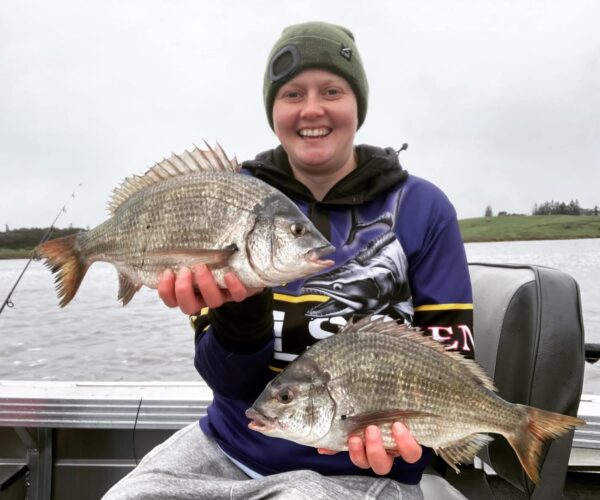
With bream so widespread across the state, grab a bait pump, gather some fresh offerings, and give baiting bream a crack. You might be surprised—and hooked—when a big, crab-crunching bronze bream tears off with your bait and sends your drag screaming.
Learn more about bream fishing in this article by WIRFAB Leader, Ruth Beeby.
To learn more about fishing in Victoria, check out the Victorian Fisheries Authority Rec Fishing Guide.